
From the field · Operations
The Failure Plan You Write
Before the Failure.
Every refrigeration system eventually has a bad night. The stores that lose the least product are the ones that decided in advance who to call, what to do first, and how to protect the cold chain while help is on the way.
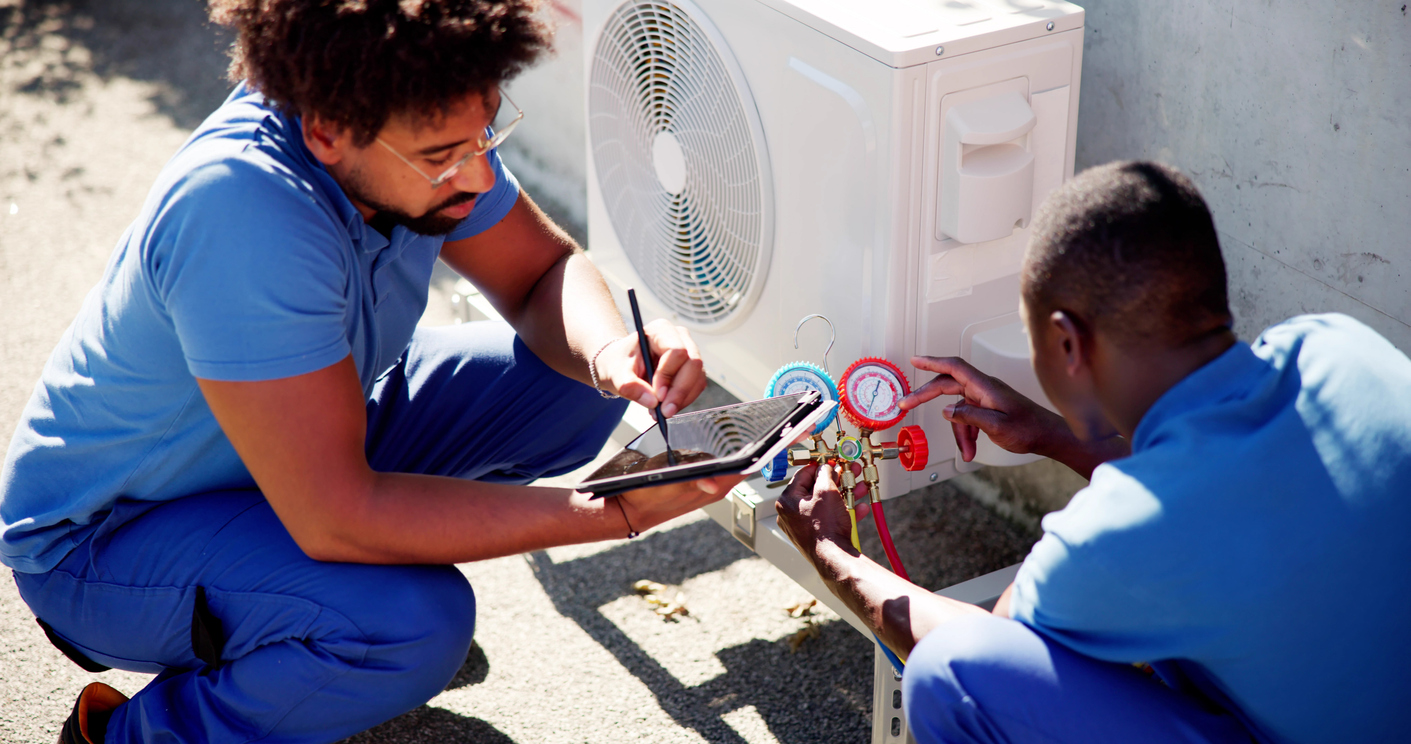
Decide the first five minutes in advance.
When a case goes warm at 2 AM, nobody should be searching for a phone number. Post the 24/7 service line where the overnight crew will find it, name who is authorized to call, and agree what information the caller should have ready: store number, affected equipment, and current temperatures.
Climate Pros answers 630-893-8511 with a person, day or night, and dispatch begins on that first call.
Protect the product while help is on the way.
The goal in the first hour is to slow the temperature rise, not to fix the equipment:
- Keep doors closed: a closed case or walk-in holds temperature far longer than most people expect.
- Consolidate product: move the most sensitive product to working equipment with spare capacity.
- Log temperatures: time-stamped readings protect food safety decisions and any later claims.
- Know your thresholds: agree in advance with your food safety team which temperatures trigger disposal.
- Check the simple things: breakers, door seals, and blocked airflow cause a surprising share of alarms.
Reduce how often the plan gets used.
Preparedness is the backstop. The stronger play is making emergencies rare: preventive maintenance catches failing components before they fail, and monitoring flags temperature drift hours before it becomes product loss. Stores running both see the 2 AM call far less often.
Related reading and services: